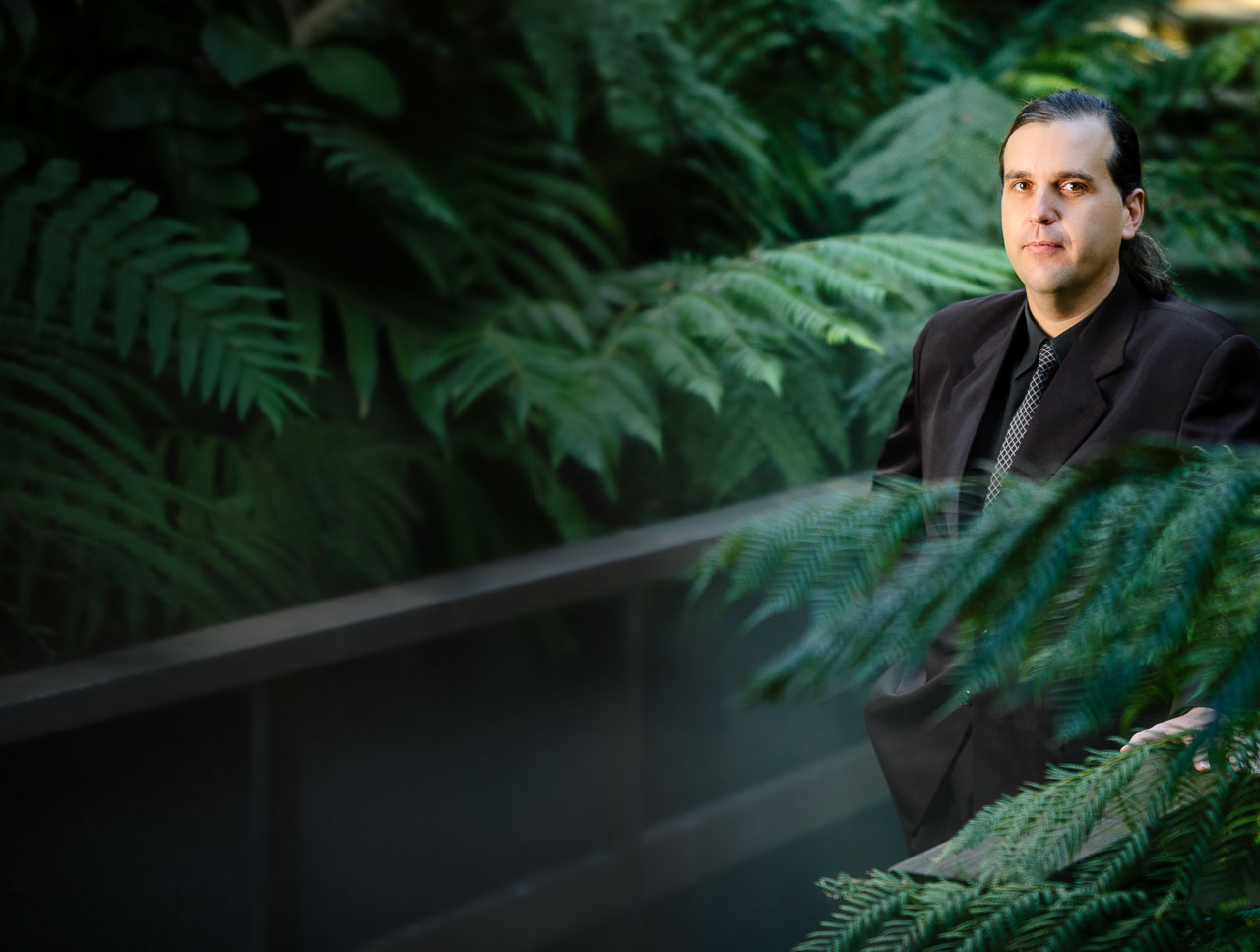
Recently, I came across some photographs I made nearly 20 years ago. After discussing the assignment with a colleague who knew the job, I went looking for the images in my Lightroom catalog.
I was surprised by how well they had stood the test of time. The client was delighted with the results, and it was interesting to revisit the photographs after so many years.
The camera I used had a 6 megapixel sensor. By today’s standards, that seems almost inconceivable for professional work. If I pixel-peep, I can see the limitations of the lens, too. My current equipment is far more capable, yet those images still work.
It got me thinking. Photographers suffer from G.A.S., or Gear Acquisition Syndrome. Do I really need 45 megapixels, let alone 100? Do I need better lenses? What would those upgrades bring to my work, and more importantly, to my clients?
We’ve come a long way
Camera technology has improved enormously. Modern cameras offer exceptional resolution, sophisticated autofocus and impressive low-light performance. Video has also advanced dramatically. I remember the impact of the Canon 5D Mark II, which helped bring cinematic-looking video within reach of DSLR photographers. Today, my Nikon Z6III offers a range of video capabilities, including raw recording options and log capture.
Lighting has changed just as dramatically. As an assistant, I worked with Redhead lights from Desilu Studios in Hollywood, the production company co-founded by Lucille Ball and Desi Arnaz. Those large, hot tungsten lights were once familiar production tools. Modern COB LED lights are smaller, more powerful and far more versatile.
These are genuine improvements. They expand our creative options and help us work more efficiently. But recognising the value of progress doesn’t mean we need every new capability.
In 2006 I was commissioned to make a portrait of John Howard, then Prime Minister of Australia. As with any assignment, the equipment matters, but so does the client’s trust and the experience to work confidently with leaders at the highest level.

What does the client get out of it?
For commercial and corporate clients, the important question isn’t how many megapixels a camera has or which recording formats it supports. It’s what those capabilities allow us to deliver.
Better equipment can help us work in challenging conditions, achieve a particular look and capture photographs and video during the same assignment. It can also make production more efficient.
Last week, I travelled interstate with equipment that fit into one carry-on case. Previously, comparable capability would have required two or three cases in the aircraft hold. Travelling lighter saves baggage fees, reduces the risk of lost equipment and speeds up airport exits. Less cost, less risk and less wasted time benefit both photographer and client. Time is money.
Our responsibility is to understand the tools available and use them appropriately. Clients want the images and video they need, at the required quality, with minimal disruption. Knowing when new technology will make a meaningful difference, and when our existing equipment is sufficient, is part of the service we provide.
The photographer still matters
A camera can record extraordinary detail, recognise a subject’s eye and track movement. But it cannot decide what makes a photograph interesting, where the subject should stand, how the light should fall or what the image needs to communicate.

In 2005, I was commissioned to photograph a corporate portrait for ORMCO’s US annual report. Using a Nikon D70 with its 6.1 megapixel sensor, I combined flash and tungsten lighting to create a distinctive look. The lighting and movement were deliberate choices to suit the brief, rather than an attempt to produce a conventional, clinically sharp headshot.
The job required an understanding of lighting, a willingness to explore a less conventional approach and the experience to work confidently with a senior executive. The camera’s resolution wasn’t the point. The technology was a means to an end.
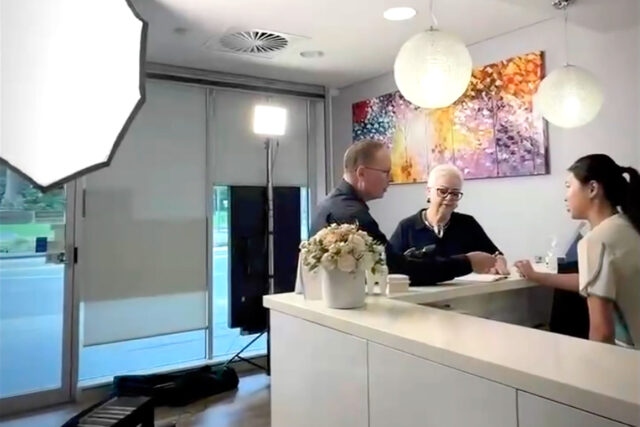
I still work in healthcare photography, where recent assignments have involved producing still photographs and video within the same production. Modern cameras, lighting and a compact kit make this flexibility practical, but the work still depends on thoughtful direction, understanding the brief, and the different demands of each medium. Recording beautiful footage, like capturing a sharp photograph, is only part of the job.
Making the most of what we have
Technology will continue to improve, and I’ll keep exploring what it makes possible. An upgrade can solve a problem, improve reliability or open up work that wasn’t previously practical. The question is whether it will genuinely improve my work, the production process or the outcome for a client.
The photographs I rediscovered were made with a 6 megapixel camera and equipment that is modest by today’s standards. They remain good photographs because the equipment was only one part of the process.
The real advantage isn’t simply having better equipment. It’s knowing how to use it to make better work for our clients, and ourselves.