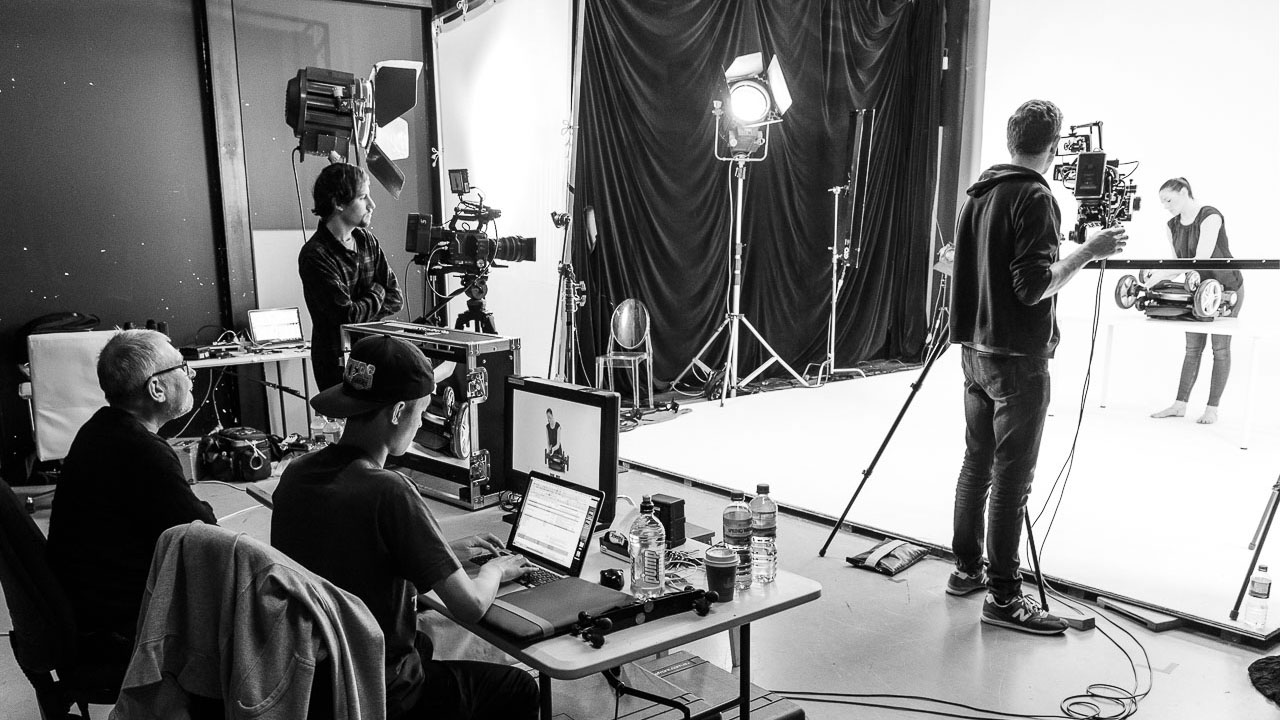
When businesses enquire about corporate photography, one of the questions that often comes up is whether they should also produce video.
The answer isn’t always “both”.
It depends on what you’re trying to communicate, who your audience is, and where the content will be used. Sometimes photography is exactly what’s needed. Sometimes video tells the story better. Increasingly, organisations are commissioning both because they’re creating content for websites, social media, annual reports, internal communications and marketing at the same time.
Today, many commercial photographers also produce video. There’s nothing unusual about that.
My background is a little different.
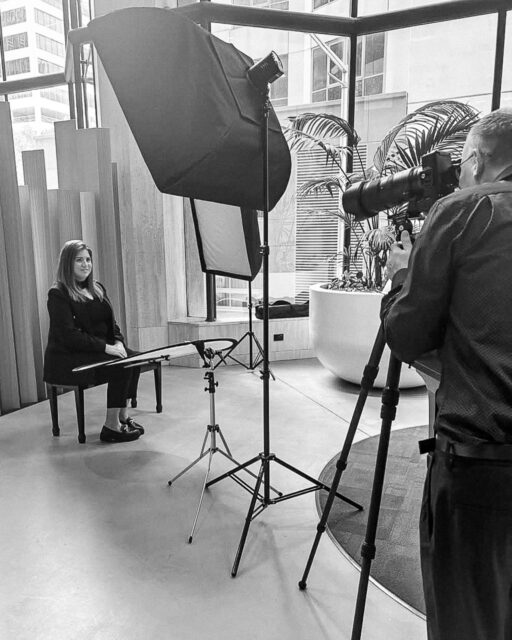
I started my career in television before moving into commercial and corporate production. Over the years I’ve produced everything from simple executive interviews and training videos through to television commercials, cinema advertising and large multi-day productions. Alongside that, I’ve spent decades as a corporate photographer working with organisations across government, healthcare, education and business.
After working in television, commercial production and corporate photography for over 25 years, one question I’m often asked is whether a business should commission photography, video or both.
That experience means I don’t see a project as either photography or video. I start by asking what you’re trying to communicate, then recommend the approach that best suits the project.
Here are a few examples.
Corporate headshots
Professional portraits remain one of the best long-term investments an organisation can make. They’re used on websites, LinkedIn profiles, annual reports, proposals, media releases and marketing material for years.
Most of the time, photography is all that’s needed.

If the portraits are part of a broader communications project that also includes video, it’s worth capturing a few seconds of silent footage while each person is in front of the camera. Simple shots of people looking towards or away from camera make useful overlay footage and can usually be captured without changing the lighting or adding extra production time.
Explaining a complex process
Whether it’s a CEO message, a training video or demonstrating a service, video has obvious advantages. Motion and sound explain ideas more effectively than still images alone.
If you’re already investing in video, consider producing photography during the same session.

With some planning, the lighting and locations can work for both. Often I can move straight from filming to photography, or capture both during the same setup. The result is a consistent library of photographs and video ready for websites, publications and social media.
One thing people often overlook is sound. There’s an old saying in television that audiences will forgive average pictures, but they won’t forgive poor sound. That’s one of the reasons some productions benefit from a dedicated sound recordist.
Launching a new website
A new website usually benefits from both photography and video.
Photography establishes the look and feel of the site, while short videos help explain your business, introduce key people and create engagement.
If you’re already organising staff, locations and access for photography, consider whether some video would add value while everything is already in place.
For website banners and background video I often don’t record sound at all. It keeps the production moving and allows staff to continue working without interruption. If there’s a piece to camera or an interview, that can be recorded separately in a quieter environment, without the pressure of colleagues looking on.
One day with senior executives
Bringing senior executives together is expensive, particularly when people are travelling from around Australia. For many organisations it’s the only time during the year everyone is in the same room.
It’s also the perfect opportunity to update both photography and video.
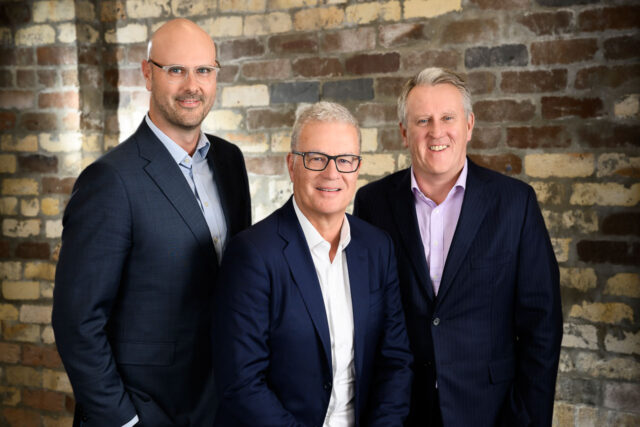
The production needs to work around the meeting, not the other way around. With good planning, executives know when they’re needed, the session runs efficiently and you leave with a complete library of current content instead of trying to organise another shoot a few months later.
This is one situation where producing photography and video together almost always makes sense. If interviews are part of the day, that’s usually when I’ll bring in extra crew.
Why businesses increasingly commission both
When planned properly, producing photography and video during the same assignment has several advantages.
- One creative brief
- One production day
- Less disruption to staff
- Consistent branding
- Matching lighting and locations
- Better value
- A larger content library for future marketing
It’s an approach I see more organisations adopting, particularly in healthcare, education and corporate environments where content is used across multiple platforms. That might be just me working as a sole operator, or a small crew if the production calls for it.
Every project is different
One thing experience has taught me is that there isn’t one solution for every job.
Many corporate assignments are efficiently handled by one experienced operator producing both photography and video.
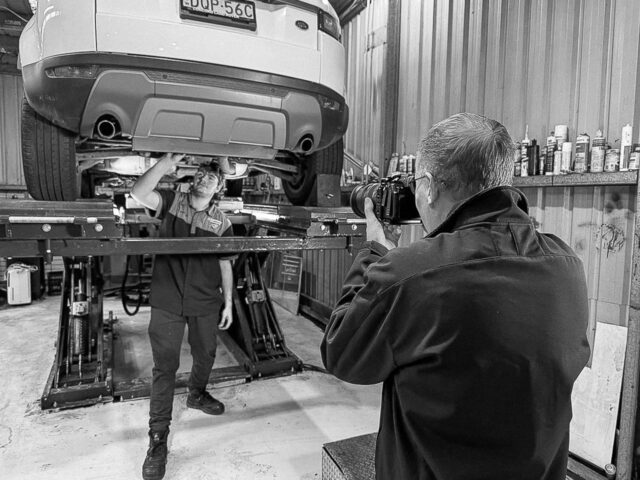
Others need a dedicated sound recordist, lighting crew, producer or additional camera operators. Some projects need scripting, storyboards and extensive planning before the cameras even come out.
The important thing is matching the production to the communication objective.
Because of my background in commercial production and corporate photography, I’m comfortable working either way. Some assignments are intentionally kept small and efficient. Others scale into larger productions with trusted crew and specialist collaborators.
Choosing the right approach
Photography and video aren’t competing services. They’re different ways of telling a story.
Sometimes photography is the right answer. Sometimes it’s video. Often it’s both.
The important decision isn’t which camera is being used. It’s understanding what you’re trying to communicate and choosing the approach that achieves that outcome.
That’s the advantage of having spent my career working in both photography and video. I don’t start by deciding which camera to use. I start by understanding what you’re trying to achieve, then recommend the approach that’s going to communicate it most effectively.