When we think about artificial intelligence in photography and video, it is tempting to focus on its ability to generate images. We are surrounded by demonstrations of what generative AI can create, and increasingly there’s concern about the sheer volume of AI-generated content, and AI slop.

But generative AI is only one part of the story.
The bigger change is happening across everything around the image: how it is captured, edited, described, managed, found and reused.
Beyond image generation
AI is already changing photography and video at almost every stage of the production process.
At capture, computational photography and machine learning are being used for things such as metering, autofocus, scene recognition and pre-capture. Much of this has been happening quietly for years. AI in the camera is not particularly new.
Post-production is where the changes are becoming far more obvious. AI can remove repetitive tasks, assist with retouching and make complex edits dramatically faster. Work that once took days can sometimes take minutes.
That changes the economics of production.
Perhaps more interesting is what happens after the image has been created. This becomes particularly important when we start talking about Digital Asset Management.
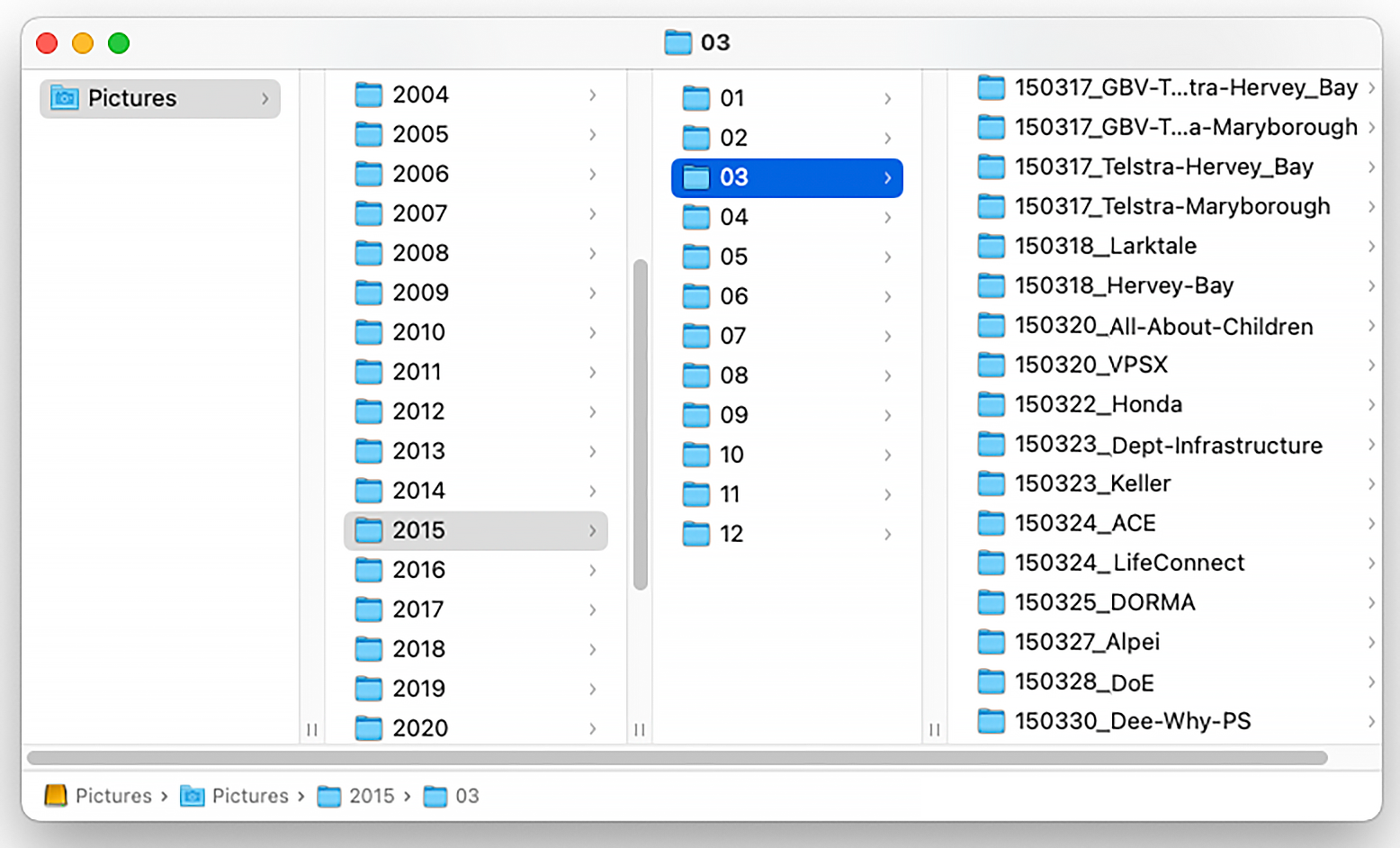
Most large organisations already have enormous collections of photographs and video. The problem is often not a lack of content. It is finding the right content.
A beautiful photograph without useful metadata can easily become a forgotten asset. If it cannot be found, understood, licensed or reused, it can still be beautiful, but it has little value.
AI can help recognise people, places, objects and subjects within an image. It can assist with tagging, classification and search, making large archives much more useful.
AI can help describe images, generate metadata and make large collections easier to search. Mediagraph’s Composable AI is an interesting example of how AI can be applied to this part of the workflow, in a safe, private way, across millions of images: https://www.mediagraph.io/blog/composable-ai
The value of the image is more than the image
As the amount of visual content grows, metadata and provenance become increasingly important.
Content provenance is essentially the verifiable history of a digital asset: where it originated, who created it, and what happened to it along the way, including any tools or generative AI that have modified it. As a photographer and video producer, I’m particularly interested in how IPTC and ISO are contributing to C2PA development within the broader imaging ecosystem.
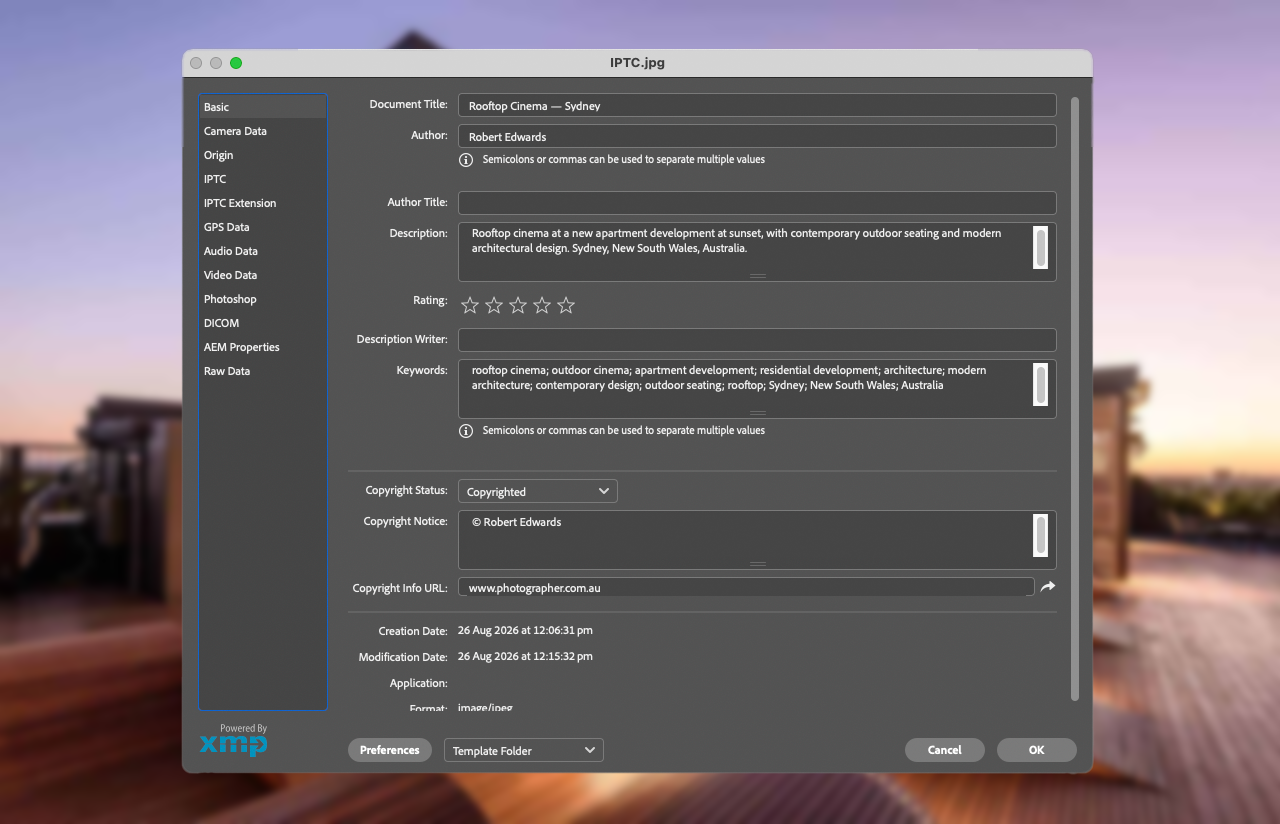
Knowing where content came from, how it has been changed and whether it is authentic matters when images are being used across organisations and platforms.
The image itself is only part of the asset.
The problem with making more
There is an obvious attraction to AI-generated imagery. It makes producing visual content at scale easier than ever. But if the cost of producing content falls dramatically, we are going to create a lot more of it. Film photographers make every image with intention, because it’s expensive. Digital photographers can “shoot the sh#t out of it”, as one client asks me to do, forgetting about post-production and storage.
More content does not necessarily create more value. It can create more noise.
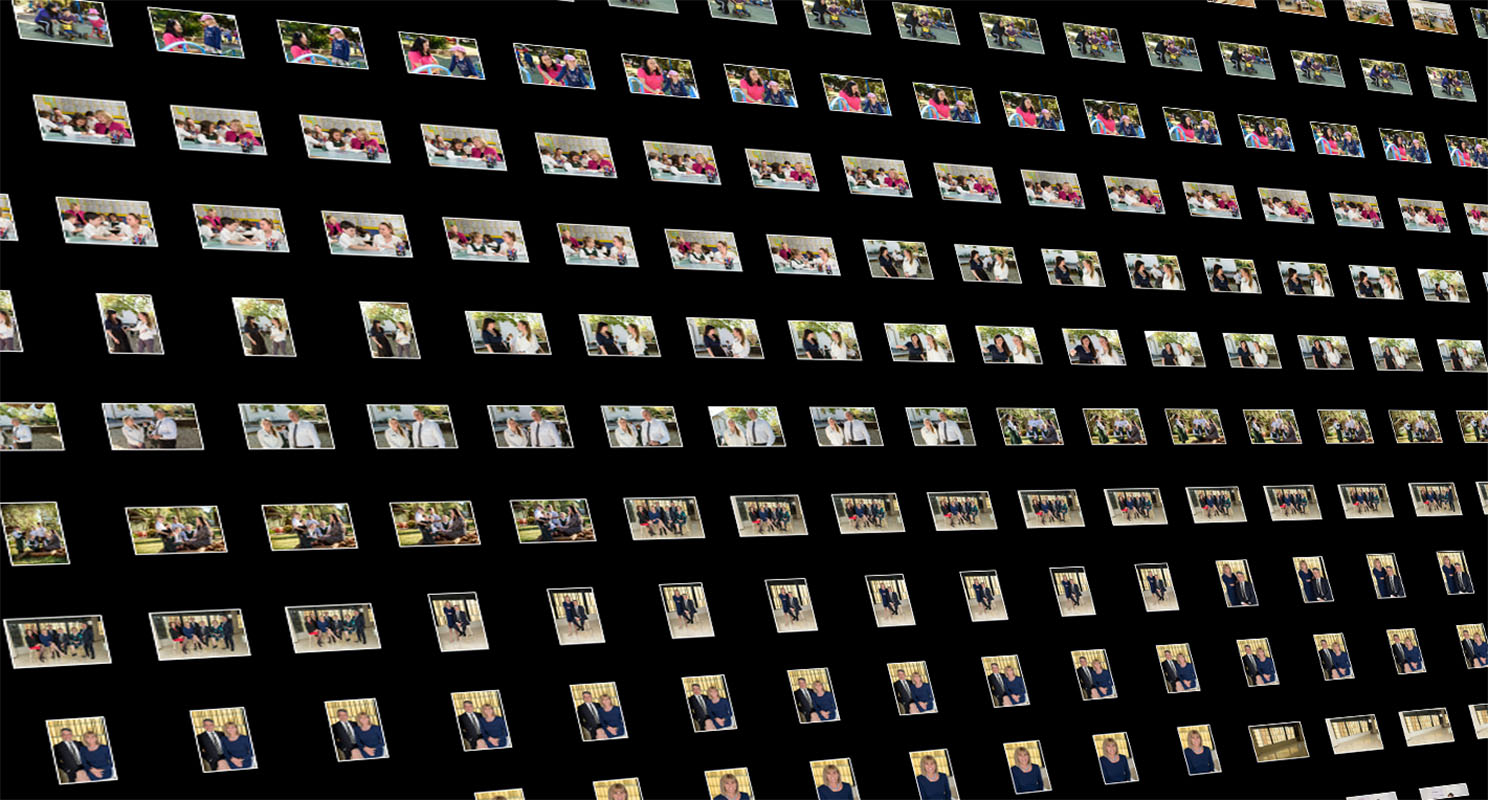
The challenge then becomes one of curation and management. Organisations need to know what they already have, what is worth keeping, what should be used again and what should be discarded.
There is also a risk in simply producing more content without understanding the audience. More personalised content can be useful, but poorly targeted or repetitive content can just as easily alienate people. As Zad Rogers of Freuds Group says, “Think audience-first”: https://www.linkedin.com/posts/freud-communications_freuds-forte-zad-rogers-ugcPost-7378708251355361280-F4z8
AI may make creating some content cheaper. That does not mean deciding what to create becomes less important.
The human element
There is a tendency to think that as AI becomes better at automation, human judgement becomes less important. I think the opposite is true. The more content we can create, the more important it becomes to decide what is good, appropriate and useful.

AI can automate a task, but it does not necessarily understand whether the result is appropriate for the audience, the brand or the situation. Quality control, ethics, cultural context and creative judgement still require people.
This is not unique to photography. The same applies to writing, video, music and design. The human role is not disappearing. It’s changing and becoming more important.
Another shift in creative technology
I have seen photography go through some significant technological changes. Film became digital. Digital changed the way we captured and processed images. Micro-stock photography, video and audio overwhelmed the traditional stock model. Workflow software changed how we stored, managed and delivered them.
AI is another shift.
As with previous technologies, artists are often among the first to explore what new tools can do. We experiment, push boundaries and find uses that were not necessarily obvious when the technology was first developed.
The important question is not whether AI replaces the creative professional. It is how it changes the creative process.
Generative AI gets a lot of attention because the results are easy to see. But some of the most significant changes may be happening behind the scenes: in editing, metadata, asset management, search and reuse.
The bigger picture
We are understandably worried about being inundated with AI-generated content, good and bad. But generative AI is only one part of a much larger change.
AI is becoming a production tool that operates across the visual content lifecycle, from capture and post-production through to metadata, DAM, discovery and reuse.
The opportunity is not simply to make more images. It is to make the entire process around those images more efficient and more useful.
If an image or video cannot be found, understood, licensed or reused, it still exists, but it has no value. With the right infrastructure, AI can help ensure that visual content is not just easier to create, but easier to understand, manage and use. Now and for future generations.
That may ultimately prove to be a much bigger change than the ability to generate an image from a prompt.