Being prepared for the unexpected.
Back in 2008, I dropped my colleague Katrin Eismann at Sydney airport after our Lightroom Adventure. Despite being a major sponsor, the airline check-in staff said her bag couldn’t be taken on the plane as carry on, so she dutifully took the cameras out and wore them!

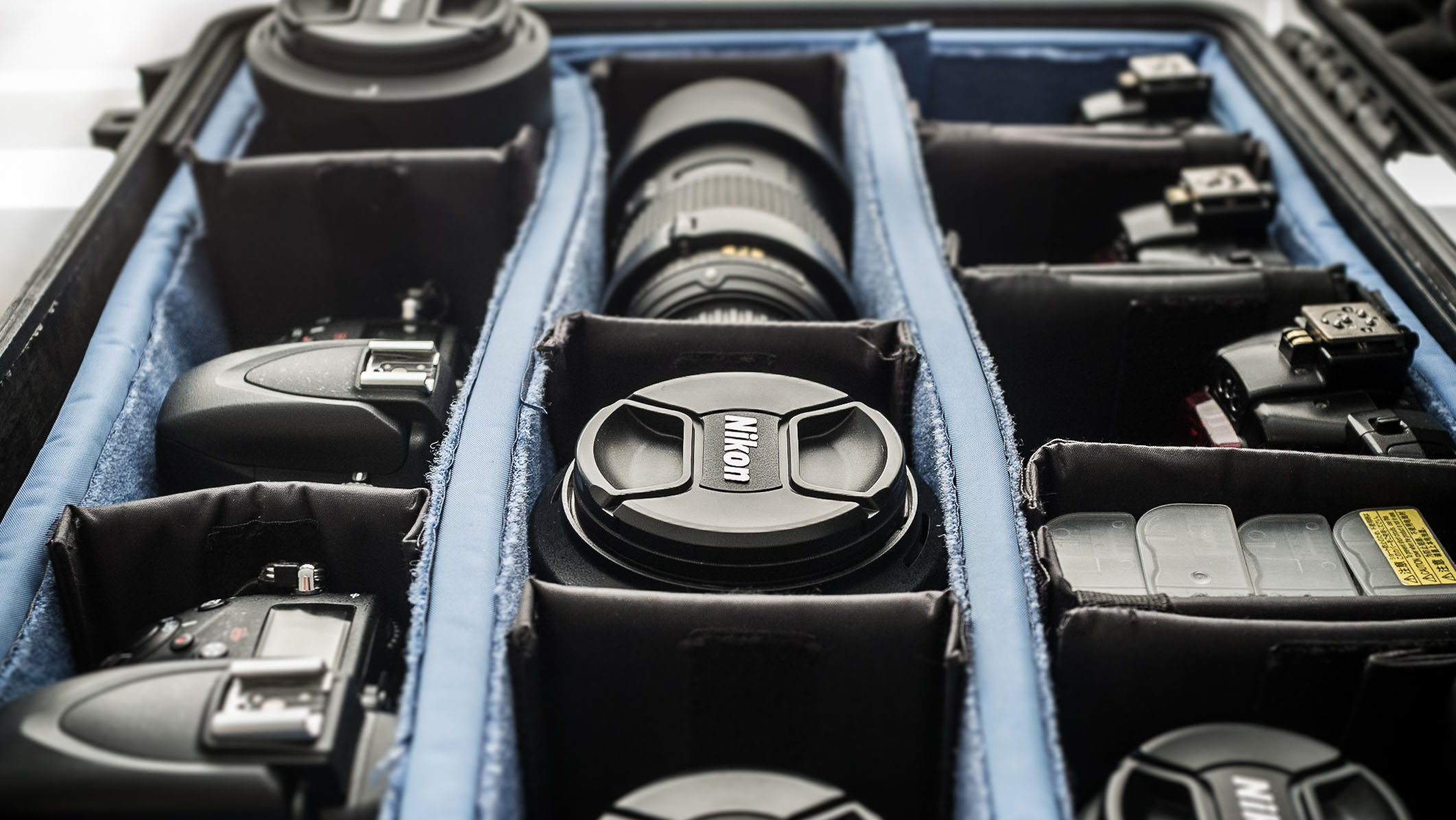
Six weeks ago, for the first time in over 20 years of flying with camera gear, an airline stopped me taking my thinkTank roller bag on the plane. So I did what Katrin did in 2008: I took my cameras out and wore them.
The old expression “belt and suspenders” describes taking extra precautions to make sure something doesn’t go wrong. In photography, it’s a philosophy I’ve adopted over many years, although not necessarily in the way you might expect.
I’ve previously written about the importance of backing up as you photograph, protecting your images against loss while you’re working. But there’s another aspect to being prepared: making sure you can continue working when something goes wrong.
Professional photography involves more than owning good equipment and knowing how to use it. Clients are paying for the result, not the equipment, and it’s our responsibility to deliver what we’ve been commissioned to produce. That means anticipating potential problems and having alternative ways of achieving the same result. Whether working on a video production in Sydney, or an interstate commercial photography shoot, planning for potential failures is part of the job.
More than a backup
Redundancy is an obvious starting point. Having a second camera, another lens or an alternative lighting arrangement can make the difference between continuing an assignment and having to stop.
But redundancy doesn’t necessarily mean having two of everything, or even identical equipment.
Take camera memory cards, for example. There’s a school of thought that professional cameras must have two card slots, recording simultaneously to both cards. Personally, I think the importance of this is sometimes overstated. I spent a decade photographing with cameras that had only one card slot. Before digital, film photographers had only one roll of film in their cameras.
That doesn’t mean there’s no risk, but there are other ways to manage it. Using multiple camera bodies, or even different camera backs in the days of medium format, provided another level of protection. What matters is understanding the risks and deciding how best to manage them, rather than automatically following a particular practice. That said, I’d still rather have two cards recording simultaneously.
I also like to have some overlap in focal lengths between lenses. If one lens becomes unavailable, I can often continue with another. When that’s not practical, having a superzoom available provides another option. My Nikon Z 24-200mm has proved surprisingly good across its full focal range. Working in industrial environments, a superzoom gives the option to avoid changing lenses, reducing the risk of dust entering the camera and settling on the sensor.
Lighting is another area where flexibility helps. Having two speedlights or several studio lights means I can swap equipment around if something fails.
Prepared, not overloaded
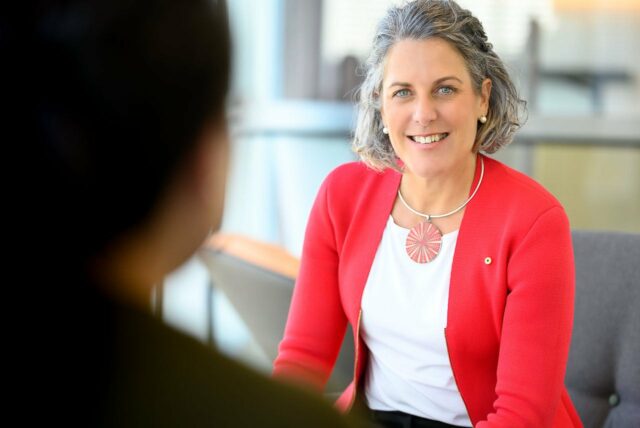
There’s a balance between being prepared and carrying too much equipment. More isn’t necessarily better.
Travelling light makes you more nimble, particularly when working on location. It also reduces the number of choices you have to make. Having every possible lens, light modifier and accessory available can be counterproductive. Sometimes having fewer options encourages you to work more creatively.
The same applies to technology and workflow. I’ve spent many years experimenting with different tethering systems, looking for improvements in speed and reliability. This isn’t simply about making life easier for me. It’s about improving the client’s experience, particularly when images need to be reviewed during a shoot.
On a fashion shoot, for example, the designer needed to monitor images on an iPad to check that the garments were looking as intended. When the iPad stopped receiving images, possibly because of Wi-Fi congestion, I switched to a wired connection directly to the iPad. It wasn’t the original plan, but it achieved the same result.
Having an alternative workflow is just as important as having alternative equipment.
The client shouldn’t see the problem
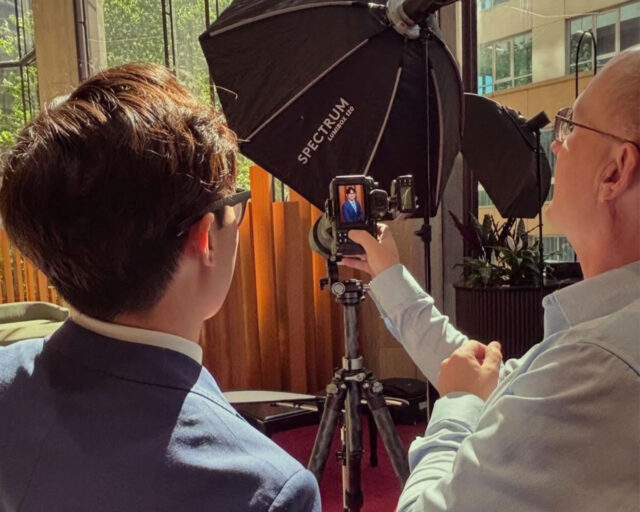
Ideally, when something goes wrong, the client never knows. That’s generally been my experience. Most of the time, I’ve been able to find another way to get the job done without disrupting the assignment or inconveniencing the client.
I’ve had a softbox fail while setting up a portrait session. Rather than stop the shoot, I adapted the lighting using the equipment available while a replacement was delivered. I used a nearby white wall to bounce light, creating a flattering, soft portrait light. The photographs were still made, and the client wasn’t inconvenienced.
I’ve also discovered that problem solving isn’t always confined to the photography itself. Two years ago, on the way to an interstate assignment, I hit a kangaroo. Fortunately, it wasn’t injured, although the front bumper was damaged. Kangaroo collisions are surprisingly common in Australia, and a little gaffer tape provided a temporary repair that allowed me to continue my journey and arrive on time.
The important thing is how you respond. A client shouldn’t have to manage your equipment problems or worry about whether you’ll be able to complete the assignment. That’s part of the responsibility that comes with being a professional.
Experience makes a difference
Much of what I’ve learned about being prepared has come from experience, and from watching others handle things that didn’t go to plan. Your student years are the best place to learn from mistakes.
I’ve also learned a great deal from colleagues and friends. Sharing experiences, including the things that have gone wrong, is one of the best ways to learn. It’s part of building long-term business relationships and learning from the people around you.
My own early lessons in improvisation came while working as a ship photographer. I wrote about that time in I Was a Ship Photographer, and the lesson still applies: you can only plan so far, and the rest comes down to having the experience to improvise.
There’s no single formula for being prepared, and you don’t have to follow my approach. The equipment, techniques and workflows I use have evolved, and they’ll keep changing. What works for one assignment might not suit another.
Ultimately, professional photographers are visual problem solvers. The client sees the photographs and experiences a successful assignment. They don’t necessarily see what went into making that happen.
The airline had its own idea about my bag that day. The lesson hasn’t changed, though: when the plan falls over, keep working. Every assignment benefits from having another way to get the job done, even if that means wearing your cameras to the gate.